Best Beaches in the Caribbean
Turquoise waters, powdery white sand, and vibrant island cultures across 700 islands of tropical paradise.
The Caribbean is the place that invented the very idea of a tropical beach vacation. Stretching in a sweeping arc from the Bahamas south of Florida down to Trinidad off the coast of Venezuela, this vast archipelago encompasses more than 700 islands, each with its own distinct character, history, and coastline. The waters here range from the palest aquamarine in shallow lagoons to deep sapphire blue in the open channels between islands. The sand can be blindingly white, tinged with pink from crushed coral, or even jet black on volcanic shores. What unites every Caribbean beach is a warmth that goes beyond temperature: the warmth of the water, which rarely dips below 78 degrees Fahrenheit, and the warmth of the people, whose diverse cultural traditions of African, European, Indigenous, and Asian heritage blend into some of the most welcoming communities on Earth.
Planning a Caribbean beach trip means choosing between very different experiences. The northern islands, including the Bahamas, Turks and Caicos, and the Cayman Islands, tend to offer polished, resort-driven vacations with calm, predictable weather. The eastern Caribbean chain, from the US Virgin Islands through Antigua, Guadeloupe, and Barbados, brings more dramatic landscapes, with volcanic peaks plunging into the sea and lush tropical rainforests reaching down to the waterline. The western Caribbean, including Jamaica, Cuba, and the coast of Mexico's Yucatan, delivers a heavier dose of local culture, music, and culinary adventure alongside its beaches. And the southern islands, particularly Aruba, Bonaire, and Curacao, offer a drier, more desert-like climate that sits safely outside the hurricane belt.

Top 8 Caribbean Beaches
1. Grace Bay, Turks and Caicos
Grace Bay has earned its reputation as the single most beautiful beach in the Caribbean, and it delivers on that promise with breathtaking consistency. The beach stretches for three uninterrupted miles along the north shore of Providenciales, its powdery white sand composed almost entirely of finely ground coral and shell that stays remarkably cool underfoot even in the midday sun. The water is a mesmerizing gradient of turquoise and blue, so clear that you can stand waist-deep and watch tiny fish darting around your ankles with perfect clarity.
What elevates Grace Bay beyond mere beauty is the barrier reef that runs parallel to the shore about a mile out. This living wall of coral breaks the Atlantic swells before they reach the beach, creating a vast, calm lagoon that is ideal for swimming, paddleboarding, and snorkeling. The reef itself is part of the world's third-largest barrier reef system and supports an extraordinary diversity of marine life, including spotted eagle rays, nurse sharks, sea turtles, and hundreds of species of tropical fish. Several operators offer guided snorkel trips to the reef, or you can simply swim out from shore and explore the patch reefs scattered across the lagoon floor.
The stretch of Grace Bay closest to the resorts features upscale properties like the Grace Bay Club and The Palms, where beachfront dining and attentive service set the standard for Caribbean luxury. Water temperature ranges from 78 to 84 degrees Fahrenheit year-round. The best months to visit are January through April, when rainfall is minimal and trade winds keep the heat comfortable. Expect to spend $400-700 per night for quality beachfront accommodation. Direct flights from Miami take just over an hour, making this a remarkably accessible slice of paradise.
2. Eagle Beach, Aruba
Eagle Beach is wide, impossibly white, and sheltered by the persistent northeast trade winds that keep Aruba one of the most consistently pleasant islands in the Caribbean. What strikes you first is the sheer width of the beach. At its broadest point, Eagle Beach stretches more than 100 meters from the waterline to the low dunes that mark its landward edge, giving it a spacious, uncrowded feel even during peak season. The sand is fine and flour-like, and the water deepens very gradually, making it a superb choice for families with young children.
The iconic divi-divi trees, also known as fofoti trees, frame the beach with their wind-sculpted silhouettes, leaning permanently toward the southwest as if bowing to the sea. These gnarled, photogenic trees have become the unofficial symbol of Aruba and provide welcome patches of natural shade along the otherwise open shoreline. Eagle Beach is also one of the Caribbean's most important nesting sites for leatherback and hawksbill sea turtles, and from March through September you may spot marked nesting areas roped off along the sand.
Aruba sits south of the hurricane belt, meaning the island has not been directly hit by a hurricane in recorded history. This makes it one of the safest Caribbean destinations to visit year-round, including during the traditional hurricane season months that run from June through November. Water temperatures hover between 80 and 84 degrees Fahrenheit throughout the year. The trade winds keep air temperatures between 82 and 88 degrees, and rainfall averages just 20 inches per year. Mid-range beachfront hotels near Eagle Beach typically run $200-400 per night, and flights from the US East Coast take roughly four hours.
3. Seven Mile Beach, Grand Cayman
Seven Mile Beach on Grand Cayman is one of the Caribbean's most developed stretches of sand, and it wears that distinction well. Despite the concentration of luxury resorts, restaurants, and water sports operators along its length, the beach itself remains strikingly beautiful: a broad ribbon of pale gold sand edged by water that shifts between translucent pale green near shore and rich cobalt further out. The actual length is closer to five and a half miles, but nobody quibbles about the name when the view is this good.
The big draw beyond the beach itself is Stingray City, located in the shallow sandbars of the North Sound about a 20-minute boat ride away. Here, dozens of friendly southern stingrays glide around you in waist-deep water, accustomed to decades of human interaction. It is one of the most unique wildlife encounters in the Caribbean and an absolute must for families. Back on Seven Mile Beach, you will find every water sport imaginable, from parasailing and jet skiing to glass-bottom kayak tours and stand-up paddleboard yoga classes.
Grand Cayman is particularly well-suited to family travel. The beach slopes gently into the sea with no sudden drop-offs, and the water on the western shore is sheltered from prevailing swells. Lifeguards patrol popular sections, and the island's infrastructure, including modern hospitals, reliable telecommunications, and English-speaking locals, provides a safety net that reassures traveling parents. Water temperature stays between 79 and 86 degrees Fahrenheit. Peak season from December to April offers the driest weather, though the island is pleasant year-round. Expect $350-600 per night for beachfront resorts. Direct flights from Miami, New York, and other major US cities make access straightforward.
4. Trunk Bay, St. John, US Virgin Islands
Trunk Bay is the crown jewel of the Virgin Islands National Park, which protects roughly two-thirds of the island of St. John. The beach curves in a graceful crescent around a bay framed by lush green hillsides, with the small offshore island of Trunk Cay adding a picturesque focal point to the view. The sand is soft and white, the water is exceptionally clear, and the setting feels wild and unspoiled in a way that few Caribbean beaches can match, despite being one of the most visited spots in the US Virgin Islands.
The standout feature at Trunk Bay is the underwater snorkel trail, a 225-yard marked path along the sea floor with interpretive plaques mounted on the reef that identify the coral formations and fish species you are seeing. It is like an underwater museum, and it makes Trunk Bay one of the best places in the Caribbean for first-time snorkelers who want a guided introduction to reef ecosystems. The trail passes over elkhorn coral, brain coral, sea fans, and fields of waving sea grass, with sergeant majors, blue tangs, and parrotfish providing constant companionship.
Because Trunk Bay sits within a national park, it benefits from active environmental management. The beach has lifeguards on duty, well-maintained restroom and shower facilities, and a small snack bar, but no large-scale commercial development. Admission to the park is $5 per person. Water temperatures range from 79 to 84 degrees Fahrenheit. The dry season from January through April is the most popular time to visit. Getting to St. John requires a ferry from St. Thomas, which adds an extra step to the journey but contributes to the island's quieter, more preserved character. Budget $150-350 per night for vacation rentals or eco-resorts on the island.
5. Shoal Bay, Anguilla
Shoal Bay on the island of Anguilla is the kind of beach that makes you question whether you have accidentally wandered into a screen saver. A mile-long arc of sand so white it almost glows, lapped by water of an impossible turquoise clarity, backed by nothing more than a scattering of low-key beach bars and a handful of boutique resorts. Anguilla has deliberately resisted mass tourism development, and the result is a beach experience that feels exclusive without being exclusionary, serene without being deserted.
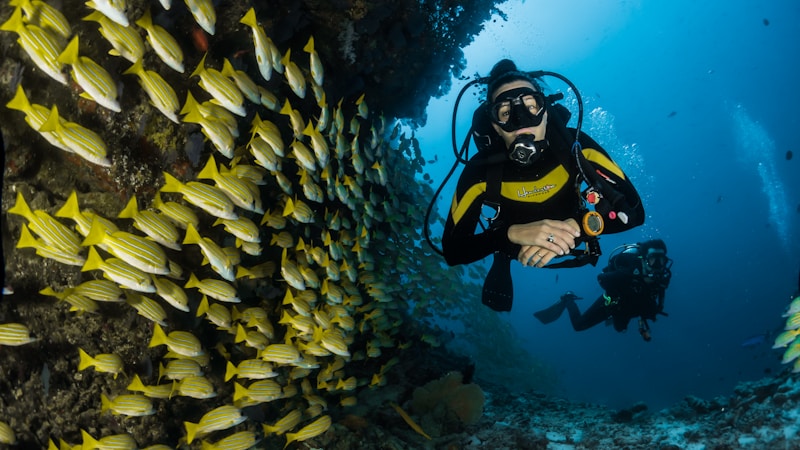
The snorkeling at Shoal Bay is outstanding, particularly around the small rocky outcrops at either end of the beach where coral formations attract schools of tropical fish, octopuses, and the occasional spotted eagle ray. The beach itself is ideal for long walks, with the sand remaining firm and flat near the waterline and softening into a deep, powdery texture further up the shore. Several beach bars, including the legendary Uncle Ernie's, serve fresh grilled lobster, rum punches, and local fish right on the sand, often accompanied by live music on weekends.
Anguilla positions itself as a luxury destination, and prices reflect that positioning. Expect $400-800 per night for quality accommodation during peak season. Water temperature ranges from 79 to 84 degrees Fahrenheit. The best months are December through May, when skies are clear and trade winds keep the air fresh. The island is reached by a short ferry ride from neighboring St. Martin, which has its own international airport with connections to major US and European cities. The ferry crossing takes about 20 minutes and adds to the sense of escaping to somewhere genuinely special.
6. Varadero Beach, Cuba
Varadero Beach stretches for an astounding 12 miles along the narrow Hicacos Peninsula on Cuba's northern coast, making it one of the longest continuous beaches in the Caribbean. The sand is fine, white, and remarkably uniform along its entire length, and the water is calm, warm, and brilliantly blue thanks to the sheltered position of the peninsula. But Varadero is about far more than its impressive dimensions. It is a gateway into Cuban culture that offers something no other Caribbean destination can replicate: the experience of stepping into a living, breathing time capsule.
Beyond the beach, Varadero delivers Cuba's famous vintage car culture, with lovingly maintained 1950s Chevrolets and Buicks available for scenic drives along the coast. The nearby city of Matanzas, known as the Athens of Cuba for its rich artistic heritage, offers live son and rumba performances, colonial architecture, and some of the best street food on the island. Day trips to Havana, about two hours west, open up a world of crumbling grandeur, innovative cuisine, and nightlife that pulses with salsa and jazz until the early hours.
Cuba remains one of the best-value destinations in the Caribbean. All-inclusive resorts along Varadero start from as little as $80-150 per person per night, including meals, drinks, and entertainment. Water temperature ranges from 78 to 84 degrees Fahrenheit. The dry season from November through April offers the best weather, but Varadero is pleasant year-round. US travelers should verify current travel regulations before booking, as rules regarding permitted categories of travel have changed multiple times in recent years. Flights from Miami or charter services from other US cities take about an hour.
7. Pink Sands Beach, Harbour Island, Bahamas
Pink Sands Beach is exactly what its name promises: a three-mile stretch of sand that glows in shades of soft pink, rose, and blush, particularly striking in the early morning and late afternoon light. The color comes from microscopic coral organisms called foraminifera, whose red and pink shells mix with the white sand to create this unique and genuinely otherworldly hue. The effect is most vivid when the sand is wet, where the waterline leaves a ribbon of deep rose across the shore that photographs beautifully.
Harbour Island itself is a tiny settlement of pastel-colored colonial cottages, white picket fences, and bougainvillea-draped lanes where golf carts outnumber cars. The island has long attracted a discreet clientele of celebrities, fashion photographers, and well-traveled aesthetes who value its understated elegance and lack of commercial development. The Dunmore, the island's most storied hotel, channels old Bahamian charm with modern luxury, while the Landing offers boutique intimacy steps from the pink sand.
Water temperature at Pink Sands ranges from 76 to 84 degrees Fahrenheit. The best months are November through May, when the weather is dry and the trade winds are steady. Getting to Harbour Island requires a flight to North Eleuthera airport followed by a short water taxi ride, which adds to the exclusive, off-the-beaten-path feel. Accommodation ranges from $300 per night for simple guesthouses to $1,000 or more at the island's top properties. The limited number of rooms on the island means booking well in advance is essential during peak season.
8. Negril Seven Mile Beach, Jamaica
Negril's Seven Mile Beach is where Jamaica turns the volume up on everything that makes the Caribbean irresistible. The beach itself is a long, languid stretch of pale gold sand fringed with coconut palms and sea grapes, with the calm, shallow waters of Long Bay providing a warm, gentle swimming environment that stays bathwater-comfortable from morning to evening. But it is the energy of Negril that sets it apart: the thump of reggae and dancehall from beachfront bars, the scent of jerk chicken smoking over pimento wood, the easy laughter of locals and visitors mingling along the sand.
At the southern end of the beach, the coastline transitions from sand to dramatic limestone cliffs, and this is where you will find Rick's Cafe, one of the most famous bars in the Caribbean. Perched on a 35-foot cliff above the crashing surf, Rick's has been the stage for sunset cliff jumping, live music, and ice-cold Red Stripe beers since 1974. Watching the sun sink into the Caribbean Sea from the deck of Rick's, surrounded by cheering crowds as daring locals launch themselves off the cliff into the water below, is one of those experiences that defines what a Caribbean vacation can be.
Jamaica is one of the more affordable Caribbean destinations, particularly if you venture beyond the all-inclusive resorts to explore local guesthouses, roadside food stalls, and community-run beach bars. Accommodation along Negril's beach ranges from $80-150 per night for simple beachfront rooms to $300-500 for upscale resorts. Water temperature stays between 80 and 84 degrees Fahrenheit year-round. The dry season from December to April is the peak time, but Negril's laid-back atmosphere makes it enjoyable in any month. Direct flights to Montego Bay from most US cities take about three hours, followed by a scenic 90-minute drive along the coast to Negril.
Caribbean Travel Tips
Pack reef-safe sunscreen to protect the fragile coral ecosystems that make Caribbean snorkeling so spectacular. Many islands, including Hawaii, Bonaire, and the US Virgin Islands, have already banned oxybenzone and octinoxate, and others are following suit. Bring a reusable water bottle, as tap water quality varies between islands and single-use plastic is an increasing environmental concern across the region. Learn a few words in the local language: French in Guadeloupe and Martinique, Spanish in Cuba and the Dominican Republic, Dutch in Aruba and Curacao. Even a simple greeting in someone's native language opens doors and earns genuine smiles.
Currency varies widely across the Caribbean. US dollars are accepted in many tourist areas, but you will get better rates and a more authentic experience by using local currency at markets, street food stalls, and neighborhood restaurants. ATMs are widely available on larger islands but can be scarce on smaller ones, so carry some cash as backup. Tipping customs differ between islands, so research local norms before your trip to avoid under-tipping or over-tipping. Most importantly, travel with an open schedule. The Caribbean runs on its own clock, and the best moments often come from unplanned detours to a beach bar, a roadside fruit stand, or a fishing village that was not in any guidebook.
Hurricane Season Guide
The Atlantic hurricane season officially runs from June 1 through November 30, with the highest risk concentrated in August, September, and early October. This does not mean the entire Caribbean shuts down for six months. Many travelers visit successfully during hurricane season and enjoy significantly reduced rates, thinner crowds, and warmer water temperatures. The key is choosing your destination wisely and having a flexible travel plan.
The so-called ABC islands of Aruba, Bonaire, and Curacao, located off the coast of Venezuela, sit well south of the hurricane belt and face virtually zero risk of direct hurricane impact. Trinidad and Tobago, Barbados, and Grenada are also statistically less likely to experience direct hits, though they are not immune to tropical weather systems. Northern Caribbean islands, including the Bahamas, Turks and Caicos, and Cuba, face higher exposure. When booking during hurricane season, always purchase comprehensive travel insurance that explicitly covers hurricane-related disruptions, including trip cancellation, flight changes, and emergency evacuation. Monitor the National Hurricane Center forecasts in the weeks before your departure, and be prepared to adjust your plans if a storm develops in your intended travel corridor.
What Caribbean Travelers Are Saying
★★★★★Grace Bay lived up to every word in this guide. The snorkeling along the barrier reef was the highlight of our two-week Caribbean trip. We saw a massive spotted eagle ray glide right beneath us on our second day, and the kids still talk about the sea turtles we encountered near the patch reefs. The water clarity is genuinely unreal, like swimming in liquid glass. We have already started planning our return trip.
★★★★★We chose Varadero based on this guide's recommendation for cultural immersion on a budget, and it exceeded every expectation. Our all-inclusive cost less than a single night at most resorts in Turks and Caicos, and the vintage car tour to Havana was a once-in-a-lifetime experience. The beach itself is spectacular, stretching so far that we could walk for over an hour and still have pristine sand ahead of us. Cuba needs to be on everyone's Caribbean list.
★★★★★Negril stole our hearts completely. The cliff jumping at Rick's Cafe was exhilarating, the jerk chicken at Scotchie's was the best meal of our entire vacation, and watching the sunset melt into the sea from Seven Mile Beach brought me to actual tears. Jamaica has an energy that nowhere else in the Caribbean can touch. This guide nailed it when it said the best moments come from unplanned detours. Our random stop at a roadside fish fry turned into a three-hour party with the locals.
Caribbean Beach FAQs
What is the best time of year to visit Caribbean beaches?
The ideal time to visit the Caribbean is during the dry season from December to April, when you can expect minimal rainfall, lower humidity, and comfortable temperatures between 75-85 degrees Fahrenheit. The peak tourist season runs from mid-December through mid-April, so booking early is recommended. The shoulder months of May and November offer good weather with fewer crowds and lower prices.
Which Caribbean island has the best beaches for snorkeling?
Turks and Caicos, Bonaire, and the US Virgin Islands consistently rank among the best Caribbean destinations for snorkeling. Trunk Bay in St. John features a dedicated underwater snorkel trail, while Grace Bay in Turks and Caicos offers easy access to the world's third-largest barrier reef. Bonaire's entire leeward coast is a marine park with exceptional shore-entry snorkeling.
Is it safe to visit the Caribbean during hurricane season?
Hurricane season officially runs from June 1 to November 30, with peak activity from August through October. Travel during this period carries some risk, but many travelers visit successfully and benefit from significantly lower prices. Aruba, Bonaire, and Curacao sit outside the hurricane belt and are extremely safe year-round. Travel insurance with hurricane coverage is strongly recommended for any Caribbean trip during this window.
How much does a Caribbean beach vacation cost?
Caribbean vacation costs vary widely by island. Budget travelers can enjoy destinations like Cuba, the Dominican Republic, and Jamaica for $80-150 per day including accommodation and meals. Mid-range destinations like Barbados and St. Lucia typically cost $200-350 per day. Luxury islands like Turks and Caicos, Anguilla, and St. Barts can run $500 or more per day. All-inclusive resorts in Jamaica, the Dominican Republic, and Cuba offer excellent value.